

Cyclists often choose between two main types of inflation tools: CO2 inflators and traditional pumps. Each serves the same purpose—getting air into your tires—but they work very differently.
CO2 inflators use compressed gas in small cartridges to inflate tires instantly. They are compact, fast, and easy to use, making them popular for quick fixes during rides.
Traditional pumps, on the other hand, use manual force to push air into the tire. They come in floor or hand versions and are known for their reliability, accuracy, and long-term value.
This article compares these tools to help you choose the best one for your needs.
CO2 Inflators
CO2 inflators use compressed carbon dioxide gas to inflate bike tires quickly.
These devices are small, light, and fast. A CO2 cartridge fits into the inflator head. When triggered, it releases gas into the tire.
Most inflators work with both Presta and Schrader valves. They are popular with racers and long-distance riders who need quick inflation without much effort.

Features:
- Compact and lightweight
- Use threaded or non-threaded CO2 cartridges
- Manual or trigger-based release mechanism
- Compatible with both Presta and Schrader valves
- Some include pressure control or adjustable flow
- Typically made of metal or plastic
Advantages:
- Speed: Inflates tires in seconds. Saves time during races or emergencies.
- Portability: Small enough to fit in pockets or saddle bags.
- Ease of Use: Simple mechanism. Minimal effort required.
- No Pumping Needed: Reduces physical strain. Good for riders with limited hand strength.
- Emergency Ready: Useful during long rides or in remote areas.
Disadvantages:
- Single Use Per Cartridge: Each cartridge provides one inflation. Riders must carry spares.
- No Pressure Gauge: Hard to control exact pressure. Riders estimate by feel.
- Cold Discharge: CO2 is very cold. Contact with skin or valve can be uncomfortable.
- Cartridge Waste: Used cartridges must be discarded. Increases waste.
- Short-Term Inflation: CO2 leaks faster than air. Riders may need to top up later.
- Higher Long-Term Cost: Cartridges add recurring expense.
New Insight:
Some newer inflators use reusable cartridges made from refillable mini air tanks. These tanks can be refilled using a floor pump with a special adapter.
This innovation reduces waste and long-term cost. Though still rare, this option is gaining attention for its eco-friendliness.
Popular CO2 Inflators:
- Pro Bike Tool CO2 Inflator – Metal construction, fits both valve types, compact design.
- Genuine Innovations Ultraflate – Trigger style, easy to control gas release, durable.
- Lezyne Control Drive – Precise valve control, CNC-machined body, sleek finish.
Traditional Pumps
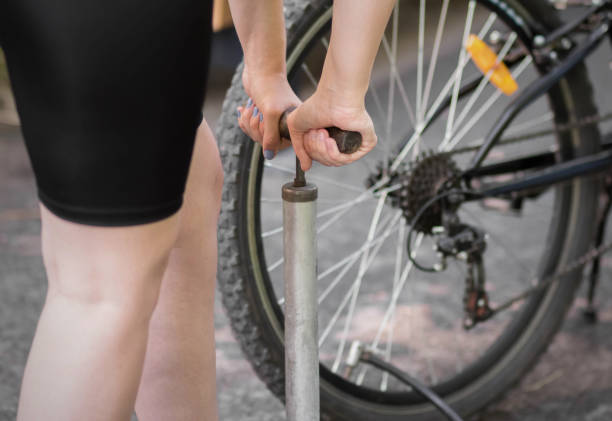
Traditional bike pumps include floor pumps and hand pumps. These pumps use manual force to push air into the tire.
They are reliable, reusable, and come in many sizes. Some stay at home, while others travel with the rider.
They work with Presta and Schrader valves. Most floor pumps have pressure gauges for accurate inflation.
Features:
- Manual operation using a piston and cylinder
- Available in floor or hand versions
- Compatible with Presta and Schrader valves
- Some include a pressure gauge
- Reusable with no extra parts needed
- Made from plastic, metal, or a mix of both
Advantages:
- Reusable: No need to replace cartridges. Use as often as needed.
- Pressure Control: Many pumps include gauges for accuracy.
- Reliable: Works in any weather or condition. No gas or battery needed.
- Cost-Effective: No ongoing expenses. One-time purchase lasts years.
- No Waste: Does not create extra trash.
- Safe to Use: No sudden bursts or extreme cold.
Disadvantages:
- Takes Time: Slower than CO2. May take a few minutes to inflate.
- Effort Required: Requires physical work. Can be tiring, especially on high-pressure tires.
- Bulkier: Larger than CO2 inflators. May be harder to carry.
- Less Convenient During Rides: Not ideal for quick fixes on the go.
New Insight:
Some new floor pumps now feature digital gauges with backlit screens. These show real-time PSI readings with better accuracy than analog dials.
Some even allow pressure presets and alert you with a beep when the desired level is reached.
Popular Traditional Pumps:
- Topeak JoeBlow Sport III Floor Pump – Large base, accurate gauge, wide handle.
- Lezyne Steel Floor Drive – Metal body, long hose, high precision.
- Crankbrothers Klic HV Hand Pump – Compact with hidden flexible hose, magnetic closure.
Floor Pumps vs. Hand Pumps
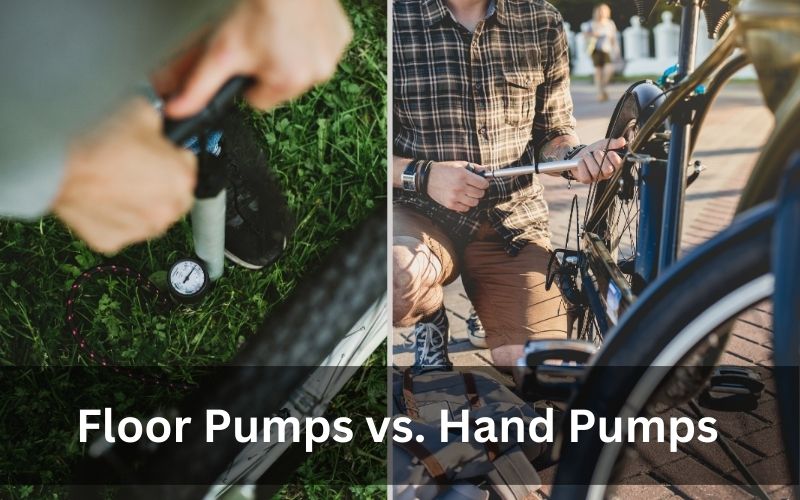
Traditional pumps come in two types: floor pumps and hand pumps. Each has different strengths.
Floor Pumps:
- Best for home use
- Tall, stable, and fast
- Usually includes a pressure gauge
- Good for reaching high PSI
Hand Pumps:
- Best for travel
- Small and light
- Slower than floor pumps
- May lack a pressure gauge
CO2 Inflators vs. Traditional Pumps – Direct Comparison
| Feature | CO2 Inflator | Traditional Pump |
|---|---|---|
| Speed | Very fast (seconds) | Slower (minutes) |
| Portability | Very small and light | Larger (especially floor pumps) |
| Ease of Use | Very easy | Requires physical effort |
| Reusability | One-time use per cartridge | Unlimited use |
| Pressure Accuracy | Low (no gauge) | High (if pump has gauge) |
| Environmental Impact | Cartridge waste | No waste |
| Cost Over Time | Higher (buy cartridges) | Lower (one-time cost) |
| Emergency Use | Excellent | Good, if carrying hand pump |
| Valve Compatibility | Presta and Schrader | Presta and Schrader |
Which Option Is Best for You?
Choose a CO2 inflator if:
- You want fast inflation with little effort.
- You race or ride long distances.
- You carry minimal gear and need light tools.
- You do not mind carrying spare cartridges.
Choose a traditional pump if:
- You do your own bike maintenance.
- You want precise control of tire pressure.
- You prefer a one-time purchase without ongoing costs.
- You want a tool that works without cartridges or gas.
Many riders use both. They keep a floor pump at home for daily use and carry a CO2 inflator for emergencies. This combination covers all situations.
Tips for CO2 Inflator Use
- Always carry more than one cartridge.
- Avoid touching the cartridge during inflation. It gets very cold.
- Use a sleeve or cloth around the cartridge.
- Check your tire pressure again with a floor pump when you return home.
- Practice with the inflator before using it on the road.
Tips for Traditional Pump Use
- Keep your pump clean and store it in a dry place.
- Use short, firm strokes with hand pumps.
- Use the pressure gauge for accurate readings.
- Check seals and hoses often for damage.
- Choose a pump that fits your storage and use habits.
Conclusion
Both CO2 inflators and traditional pumps help cyclists manage tire pressure. Each type has clear strengths.
CO2 inflators offer speed and convenience. Traditional pumps give control, reliability, and long-term value.
Your choice depends on how you ride, where you ride, and what you expect from your gear.
Some riders use both to stay prepared at home and on the road. Innovations like reusable CO2 tanks and digital gauges show that even basic tools continue to improve.
Staying informed helps you make better decisions for each ride.